
"coffee production China"
10000 article(s) found

The Kopi Luwak counterattack became the highlight of the coffee market ushered in the perfect counterattack after the trauma of the new rival.
With the popularity of the third wave of coffee culture around the world, the number of urban coffee chains in China shows a blowout trend. Among them, Kopi Luwak, which is recognized as the most expensive coffee in the world, is gradually entering the Chinese market.
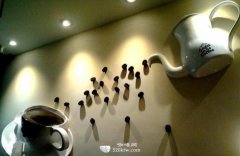
China's coffee consumption will reach trillions ten years later
At present, the Chinese coffee consumption market is still small, but the growth momentum is very considerable. The Expo not only attracted the exhibitors of Brazil, Ecuador and other major coffee producing countries and coffee manufacturers, but also organized a delegation to participate in the exhibition for the first time in Pu'er City, Yunnan Province, with the slogan "Coffee Capital of China". It has formed a new situation of competing for "beans" between domestic coffee beans and countries of origin of coffee beans all over the world.

The Future Development trend of Yunnan Coffee in China Link between Starbucks and Yunnan Coffee
Professional coffee knowledge exchange more coffee bean information Please follow the coffee workshop (Wechat official account cafe_style) at present, China's coffee consumption market is growing rapidly, however, although China's coffee consumption potential is increasing, the market is mainly dominated by international coffee brands such as Starbucks, Nestl é and Costa, and there is a latecomer, Starbucks, Nestl é, Costa, and other international coffee brands. It is worth noting that China is also

Hougu Coffee, a leading coffee company in China, introduces instant coffee manufacturers in Yunnan, China.
Professional barista exchange please follow the coffee workshop (Wechat official account qianjiecoffee) on the afternoon of July 22nd, this reporter went to Mangshi, Dehong Dai Jingpo Autonomous Prefecture, Yunnan Province for an interview. Along the way, I saw a lot of coffee trees planted on the mountains on both sides of the road. The car entered the Mangshi Industrial Park and smelled a strong, mellow aroma of coffee before getting off the bus. Even the air smells good.

Our association awarded Yunnan Pu'er the title of "Coffee Capital of China".
Yunnan Pu'er, the coffee capital of China, has become a coffee production area with the largest planting area, the highest yield and the best quality in China and the main distribution center of coffee trade. On December 10, 2012, the Coffee Bean Branch of China Fruit Circulation Association named Pu'er the coffee capital of China. Chairman Zhang Jincheng read out the document that approved Pu'er to be named the Coffee Capital of China on January 7, 2013.

From instant noodles to coffee brewing, the transformation of consumption concept has spawned new growth points in China
Shoppers in the world's second-largest economy are getting richer and older: instant coffee is giving way to brewed coffee, boutique beer is gaining popularity, and the halo of mainstream beauty products is being replaced by more expensive products. Meanwhile, instant noodle sales are declining. Morgan Stanley (32.9, -0.03, -0.09%) and London-based market research firm Mintel Group Ltd.

Indonesia's largest coffee company is optimistic about business opportunities in China to land in China within this year.
[global Network reporter Li Na] Indonesia is one of the most important coffee producing areas in the world, and Kopi Luwak has made it even more famous. On September 5th, members of the Indonesian delegation of the Chinese Internet celebrity Sea Silk Road walked into the Surabaya factory of Kapal Api, the Indonesian coffee leader, to explore the local coffee production and drinking technology, and to understand the characteristics of Indonesian coffee. The person in charge of the company told Dai

International Coffee Day, let's talk about Yunnan beans.
Jiaxiang Guide: October 1, 2015, as the world's first coffee day, China's coffee industry seems to be more excited than the National Day. Although China is not yet a member of the International Coffee Organization, Yunnan Douzao is currently the fastest growing bean in China. Will Yunnan Dou lead China into the world coffee industry in the near future? Wait and see ~ in China, have a cup of Yunnan
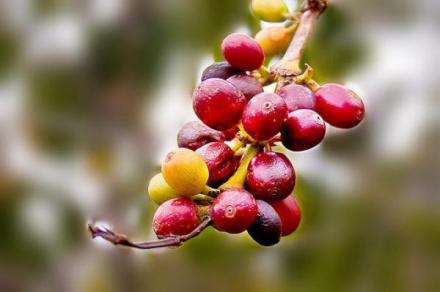
International Coffee Day, let's talk about Yunnan beans.
Jiaxiang Guide: October 1, 2015, as the world's first coffee day, China's coffee industry seems to be more excited than the National Day. Although China is not yet a member of the International Coffee Organization, Yunnan Douzao is currently the fastest growing bean in China. Will Yunnan Dou lead China into the world coffee industry in the near future? Wait and see ~ in China, have a cup of Yunnan

Yum China enters the boutique coffee market COFFii & 喜悦 first appeared in Yum China Financial report
Recently, Yum has vigorously promoted the boutique coffee COFFii 喜悦. The boutique market is a new attempt of Yum China in the coffee market. Yesterday, Oct. 31, KFC and Pizza Hut parent Yum China released three quarterly reports, showing that Yum's total revenue in China rose 4% year-on-year to $2.2 billion, while net income rose 15% year-on-year to $203 million. In addition, it is worth noting that

Development Prospect of Coffee in China-China Coffee Development report 2016
Development Prospect of Coffee in China-China Coffee Development report 2016 now, there are considerable coffee planting bases in Yunnan, Hainan, Guangxi, Guangdong and other provinces in China. Some world-famous coffee companies, such as Maxwell, Nestl é, Colombia and so on, have set up branches in China. They not only sell coffee products to China, but also purchase coffee from Chinese coffee planting bases.

Multi-coffee brands compete for the Chinese market, Starbucks faces challenges
Starbucks (Starbucks) is the name of an American coffee chain, founded in 1971, is the world's largest coffee chain, its headquarters is located in Seattle, Washington, USA. Starbucks' retail products include more than 30 of the world's top coffee beans, hand-made espresso and a variety of hot and cold coffee drinks, fresh and delicious pastries, and a variety of coffee.

Indonesia's largest coffee company is optimistic about business opportunities in China and plans to land in China within the year
Indonesia is one of the most important coffee producing areas in the world, and cat poop coffee makes it famous. On September 5, members of the delegation of Indonesia Station of Chinese Internet Celebrity Maritime Silk Road Tour walked into the Surabaya factory of Kapal Api, a leading Indonesian coffee company, to explore local coffee production and brewing technology and understand Indonesian coffee characteristics. The head of the company told members of the delegation that the company was ready to march

A collection of boutiques! The 2017 China International Coffee Exhibition opens!
Professional baristas Please follow the Coffee Workshop (official Wechat account cafe_style) yesterday, the long-awaited Fifth China International Coffee Exhibition 2017 was held at the China International Exhibition Center (old hall) in Beijing. There are about 200 exhibitors from home and abroad, including coffee producers, coffee shops, coffee machine manufacturers, catering industry and packaging industry.

How far is China from being a big coffee consumer?
In Fushan, a small town in the western corner of Hainan, fragrant cafes are full all the year round, and local residents consume more than 200 cups of coffee per capita each year. This astonishing consumption impressed coffee suppliers from all over the world who came here to participate in the International barista Championship. Chinese people began to be interested in coffee culture, which made me see the huge market potential. Ethiopian federal democracy
Spread and Development of Coffee in China
The history of the introduction of coffee into China is not long, and it was not until 1884 that coffee was first planted in Taiwan Province. In the mainland of the motherland, the earliest coffee cultivation began in Yunnan. At the beginning of the 20th century, French missionaries brought the first batch of coffee saplings to Binchuan County, Yunnan Province, and began to grow coffee in the mainland.
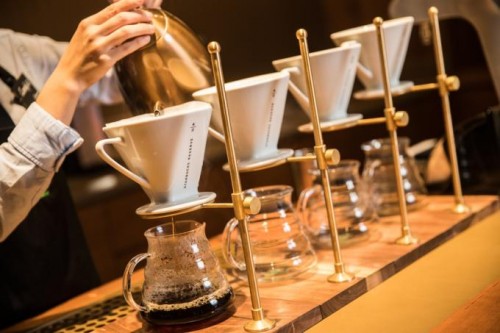
With the third wave of coffee revolution, China's coffee market will usher in a new round of local changes.
Communication of professional baristas Please follow the coffee shop (Wechat official account cafe_style) Wen / Zhu Danpeng I am not at home, in the coffee shop; not in the coffee shop, on the way to the coffee shop. Balzac who said this drank 50,000 cups of coffee in his life. Nowadays, coffee has become one of the most popular drinks in the world. According to the statistics of Euromonitor, except for a few sub-countries

What should Nestl é, the world's largest food retailer, do when it is stuck in China?
With slow growth in the instant coffee market, lack of brands with high growth potential and difficult integration with local companies, what should the world's largest food retailer do? Nestle, the world's largest food company, has tasted the bitterness of coffee in the Chinese market. After a lapse of five years, Nestl é has replaced the full package of instant coffee. The classic brown color was replaced with bright red, and the salesman did so.
History and Present Situation of Coffee Cultivation in China
Coffee production in China has experienced a tortuous course of development. From the 1950s to the early 1960s, coffee production had a peak period of development. In 1960, the national planting area reached 130,000 mu, with an annual output of more than 300 tons.

Hougu Coffee Latest Coffee Introduction Hougu Company Introduction
Hougu Coffee is China's first indigenous coffee brand. In addition, there is no other scale brand in China. Relying on the huge domestic consumption market and development potential, Hougu Coffee has good market development conditions. Hougu Coffee has profound Chinese cultural background, absorbing the cultural traditions of Taoism and Confucianism. The meaning of Hougu comes from Tao Te Ching, and the latter represents the king as the queen.